Luxor and Aswan are among the most important tourist destinations in Egypt, combining the grandeur of Ancient Egyptian civilization with the beauty of the Nile River and breathtaking natural landscapes. The two cities are home to numerous temples, tombs, and archaeological sites, as well as Nile cruises and beautiful scenery, making them ideal destinations for history, culture, and nature lovers.
Best Places to Visit in Luxor and Aswan
Karnak Temples
The Karnak Temples are among the most famous and important archaeological landmarks in Luxor. The complex features massive temples, columns, and obelisks that reflect the greatness of Ancient Egyptian civilization. It is one of the must-visit attractions when traveling to Luxor.
Luxor Temple
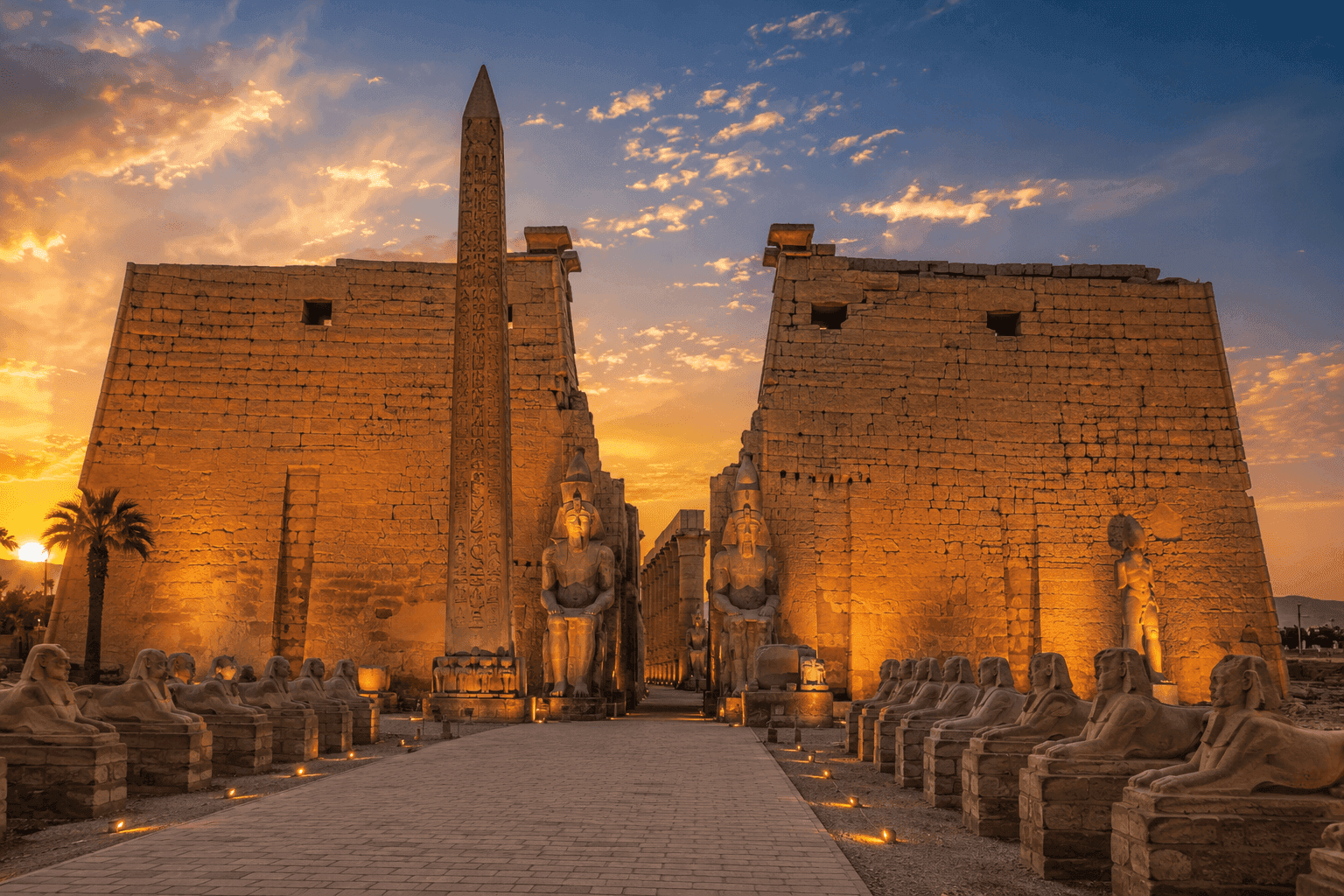
Located in the heart of the city on the east bank of the Nile River, Luxor Temple is famous for its massive columns, statues, and impressive hieroglyphic inscriptions. The temple becomes especially beautiful in the evening when it is illuminated.
Valley of the Kings
The Valley of the Kings is one of Luxor's most famous archaeological sites. It contains numerous royal tombs carved into the mountains, including the famous tomb of King Tutankhamun, along with many other royal tombs.
Valley of the Queens
The Valley of the Queens contains several tombs built for queens and princesses of Ancient Egypt. The site is known for its colorful paintings and inscriptions, offering visitors an insight into the history and culture of Ancient Egyptian civilization.
Temple of Hatshepsut
The Temple of Hatshepsut is one of the most distinctive temples in Luxor. It is famous for its unique terraced design carved into the mountainside. Its location near the Valley of the Kings makes it easy to include in a tour of the area's major archaeological sites.
Temple of Edfu
Located in the city of Edfu between Luxor and Aswan, the Temple of Edfu is one of the best-preserved Ancient Egyptian temples. It is known for its massive walls and detailed inscriptions depicting stories about the gods and life in Ancient Egypt.
Temple of Kom Ombo
The Temple of Kom Ombo is famous for its unique double design and was dedicated to the worship of the gods Horus and Sobek. Located on the banks of the Nile, the temple offers beautiful views, especially when visited during a Nile cruise.
Philae Temple
Philae Temple is one of the most important tourist attractions in Aswan. It is located on an island in the Nile River and can be reached by boat, making the visit a memorable combination of history and natural beauty.
Aswan High Dam
The Aswan High Dam is one of Egypt's most important engineering projects and is located south of Aswan. Visitors can see the dam and learn about its importance in regulating the Nile River and generating hydroelectric power.
Nubian Village
The Nubian villages in Aswan are among the best places to experience Nubian culture and traditions. They are known for their colorful houses, local customs, and beautiful views overlooking the Nile River.
Who Are Luxor and Aswan Suitable For?
Luxor and Aswan are ideal destinations for history, archaeology, culture, and nature lovers. They are also suitable for families, friends, and couples, especially for travelers who want to combine archaeological sightseeing with the beauty of the Nile River and Nile cruises.
Tips Before Visiting Luxor and Aswan
Plan your visits to archaeological sites in the morning to avoid the strongest heat.
Wear comfortable clothes and walking shoes.
Bring water and sunscreen during sightseeing tours.
Consider taking a Nile cruise between Luxor and Aswan if you have enough time.
Don't miss the famous temples and ancient tombs.
Visit a Nubian village to experience the local culture and traditions.
Consider booking a private car with a driver or a guided tour to make transportation between attractions easier.
In conclusion, Luxor and Aswan offer an exceptional travel experience that combines the history of Ancient Egypt with the beauty of the Nile River, nature, and local culture, making them two of the most important destinations worth visiting in Egypt.